Yamaha R15 v4 Spare Parts: Where to Find Them in Ghana
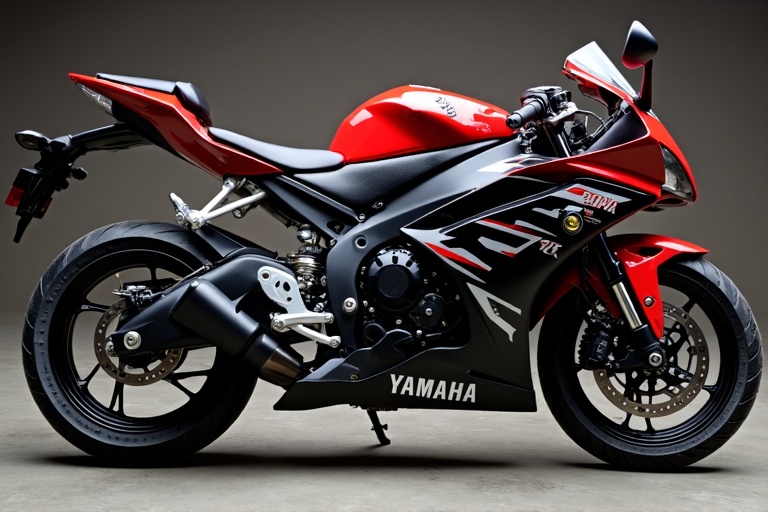
R15 v4 owners often face a mixed supply market: some fast-moving maintenance parts are easy to source, while body, sensor, and model-specific components can involve lead-time uncertainty. Planning is essential.
Prioritize parts by failure and wear probability
Separate frequent-consumption parts from occasional replacements. Keep high-turn items available before you need them, especially where delivery variability can disrupt daily use.
- High turnover: filters, brake pads, chain kits, clutch cables.
- Medium turnover: bearings, discs, electrical service items.
- Low turnover but critical: sensors, fairing-specific assemblies.
Control fitment risk with strict part matching
Confirm exact model year and variant before purchase. Similar naming across trims can hide connector, mount, or calibration differences. Match using part numbers, not only visual similarity.
Balance local inventory vs import lead time
For mission-critical parts, paying slightly more for trusted local stock can be better than waiting weeks for uncertain imports. Use imports strategically for non-urgent replacements.
Vet sellers using quality signals
Prefer vendors with clear source transparency, return rules, and evidence of repeat fulfillment quality. If a seller cannot explain source chain or warranty path, treat the listing as high risk.
Build your personal R15 parts baseline
Track what you replace, at what mileage, from which supplier, and how long it lasts. Over time this becomes your best local intelligence for faster, lower-risk sourcing.
Availability planning is the difference between a quick repair and a long downtime event.
A proactive sourcing system makes R15 ownership more predictable in Ghana. Use data, verified suppliers, and fitment discipline to reduce surprises.